A World-First OCR Meter-Reading Feature
2019
Overview
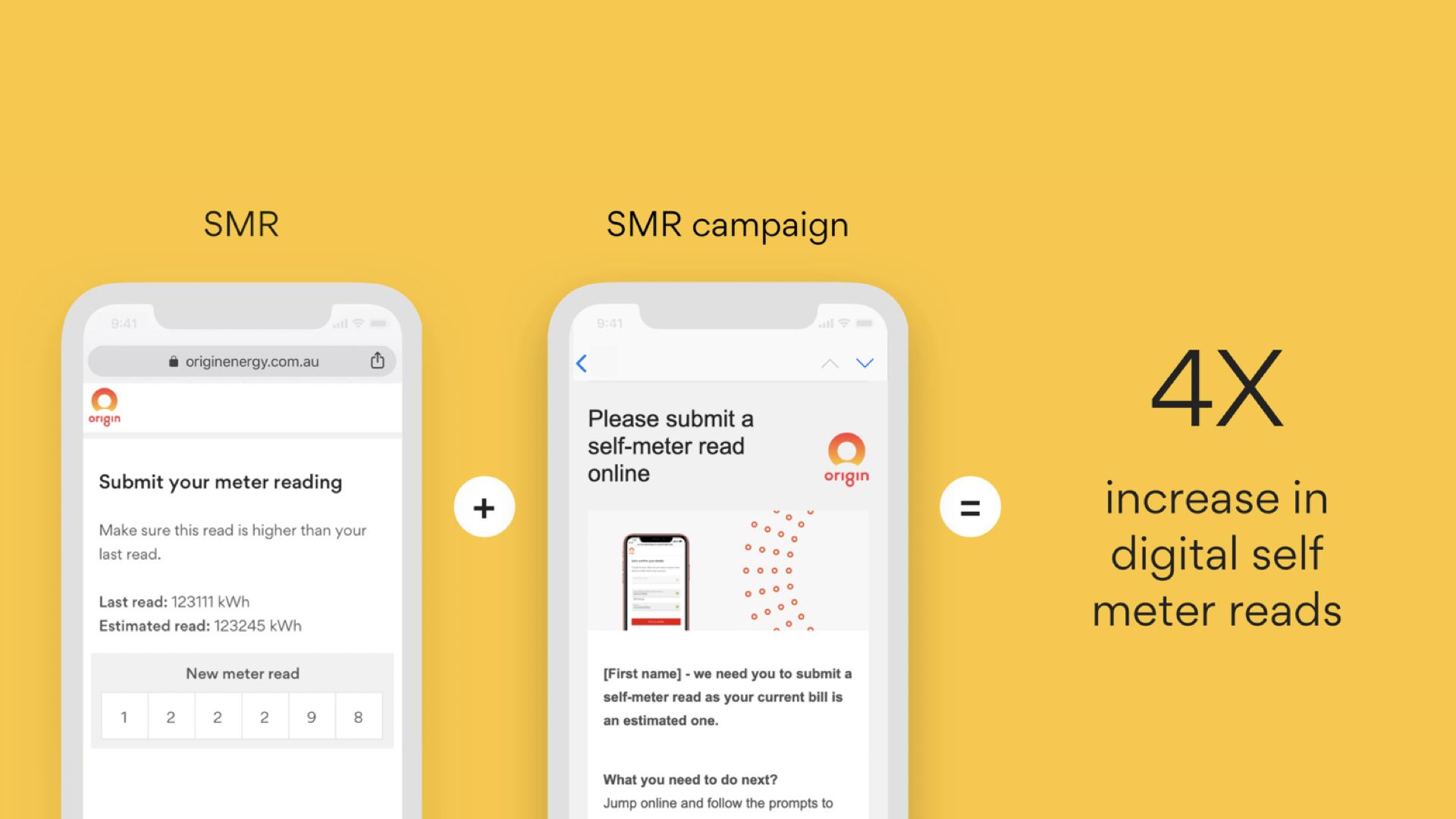
In 2018, I led the design of a world-first OCR meter-reading feature for Origin Energy that increased customer self-reads by 4× in its first year, addressing a problem that cost the company $2.4M annually whilst negatively impacting customer satisfaction scores.
Context
Australia's energy sector was experiencing unprecedented disruption. Renewable generation, micro-grids, blockchain-enabled peer-to-peer trading, and smart home technology were fundamentally reshaping how energy was produced and consumed. Origin Energy – Australia's largest green energy retailer with 4.3 million customer accounts – recognised it needed to transform digitally to stay ahead.
I joined Origin as Experience Design Director, managing a team of eight UX designers embedded across eight service design squads. Sitting alongside the Product Manager and Service Engineering head, I led the design team whilst conducting experiments and research to identify opportunities that would support Origin's digital strategy and deliver better products and services for customers.
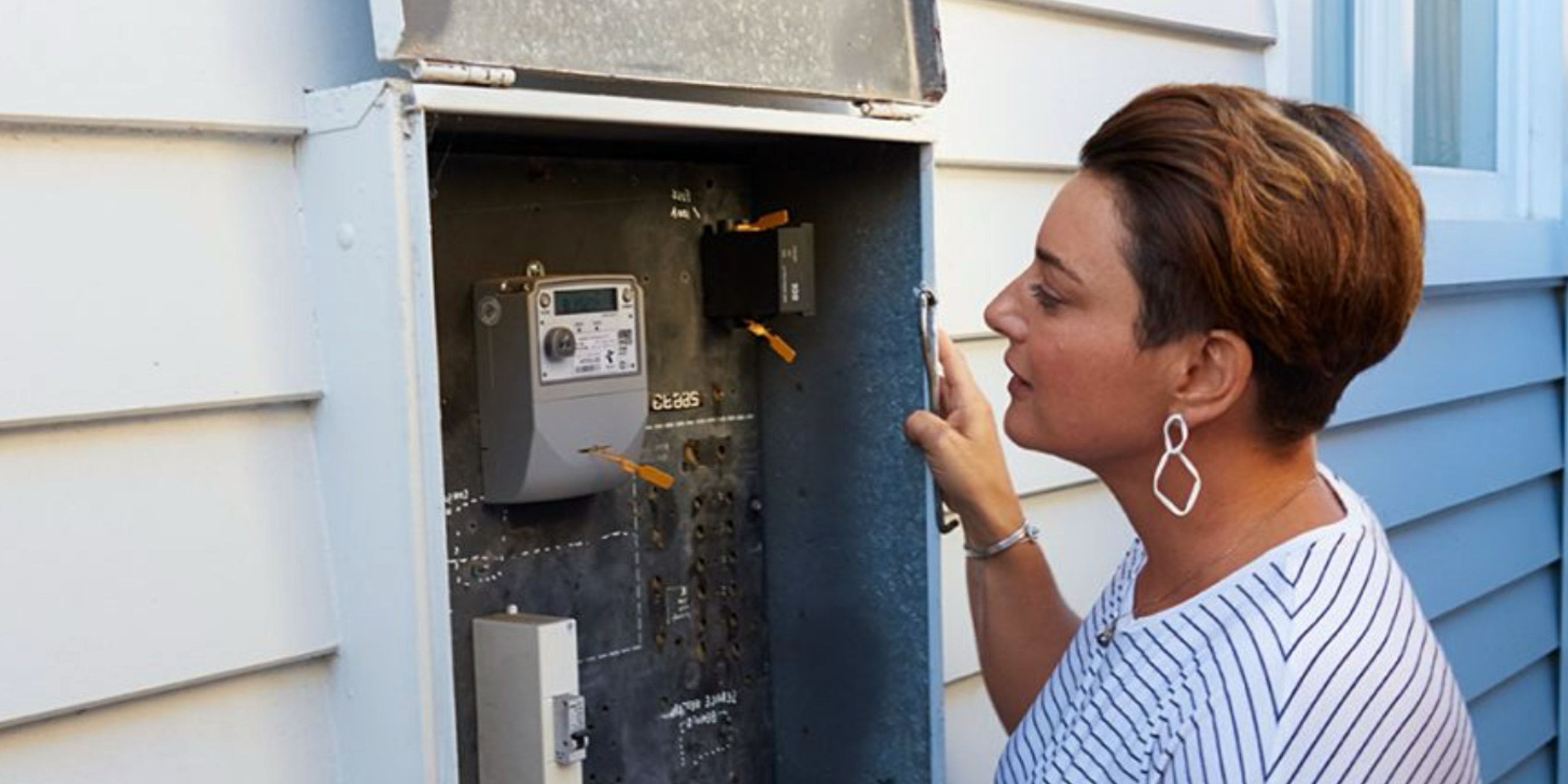
One significant opportunity we uncovered was both costly and frustrating for customers: thousands of Australian homes still had analogue electricity meters. Unlike smart meters that provide accurate, real-time data, analogue meters required physical reads by technicians. This meant Origin was spending substantial sums dispatching technicians to properties – many of which were difficult or impossible to access. The fallback solution was providing estimated bills, which customers frequently disputed, generating support calls and requiring expensive follow-up visits. The total cost: approximately $2.4M annually, with measurable negative impacts on both customer (eNPS) and supplier (sNPS) satisfaction scores.
Approach
Working closely with my product manager, I developed a strategic design to solve this problem through a digital solution. Inspired by emerging OCR technology, we set out to enable customers to photograph their analogue meters and provide Origin with accurate readings using their mobile phones.
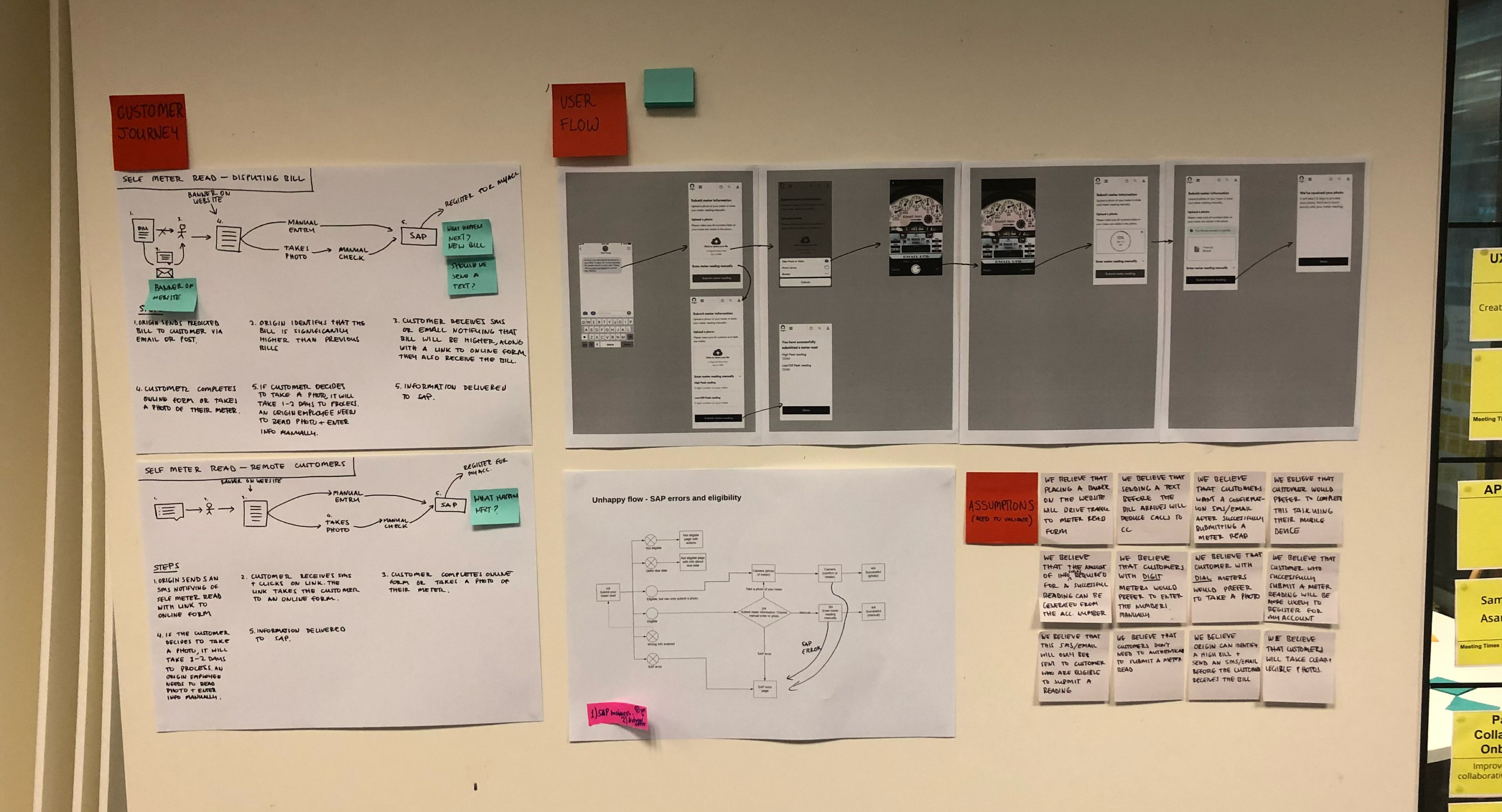
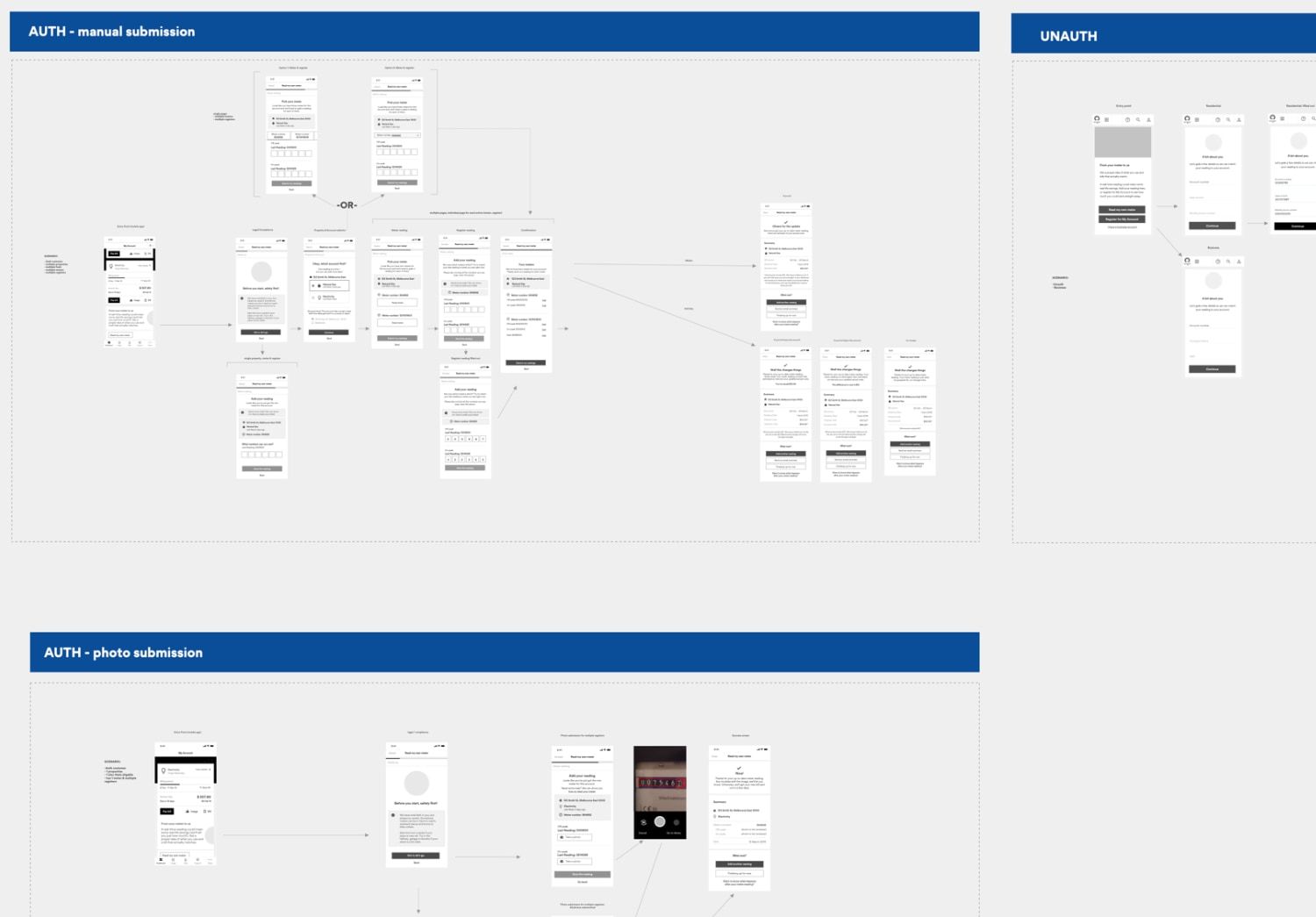
We assembled a small, focused team with the right skill sets and available capacity. Starting with whiteboard sketches, we developed customer journeys and screen flows, then moved quickly to rapid prototyping using smoke-and-mirrors techniques to test potential solutions.
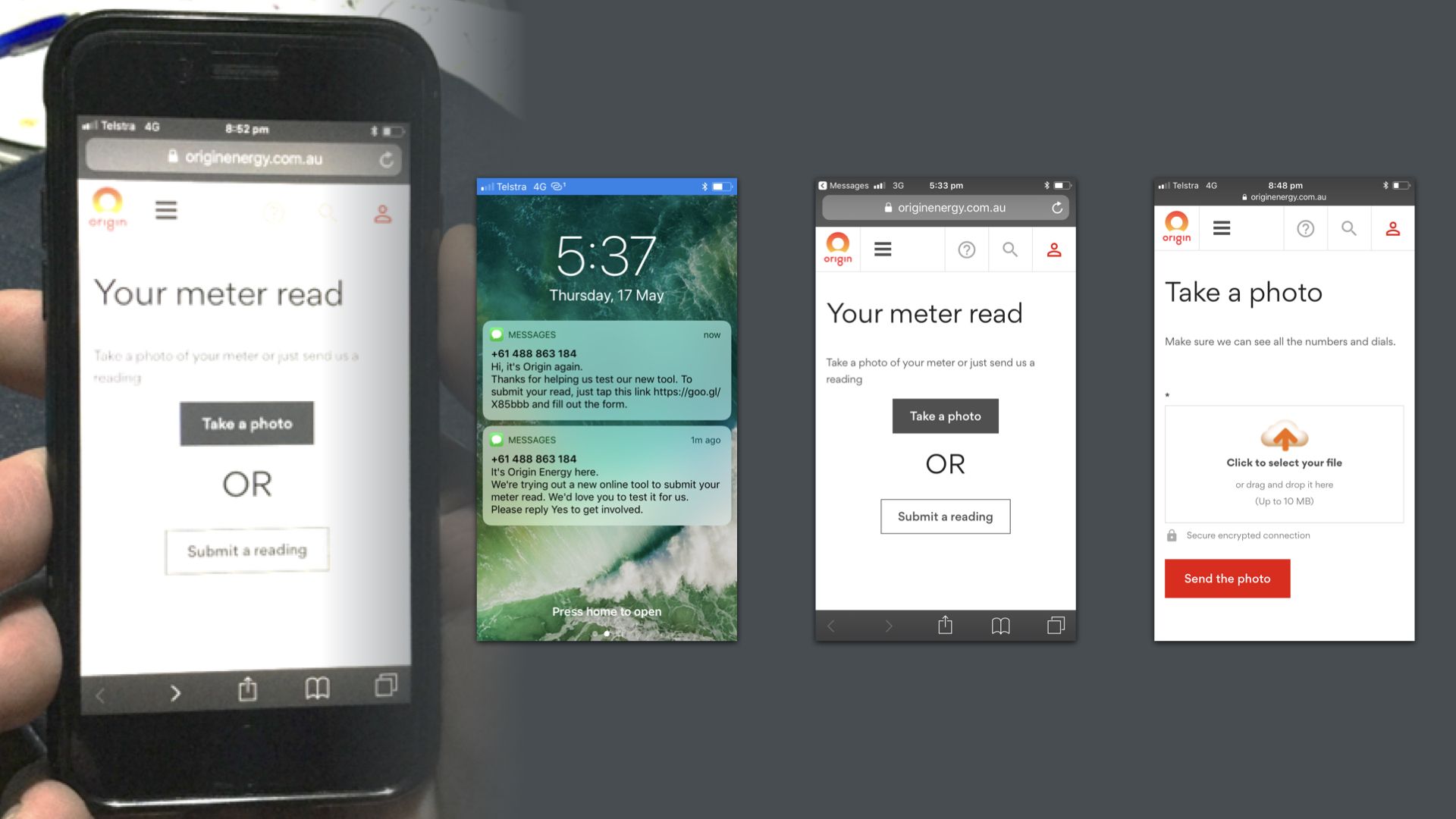
We identified customers with analogue meters and invited them to participate in experiments. Contacting them via SMS, we sent links to our prototype and asked them to photograph their meters. This first test had one purpose: could we get legible photographs from customers with minimal instruction? The answer was yes.
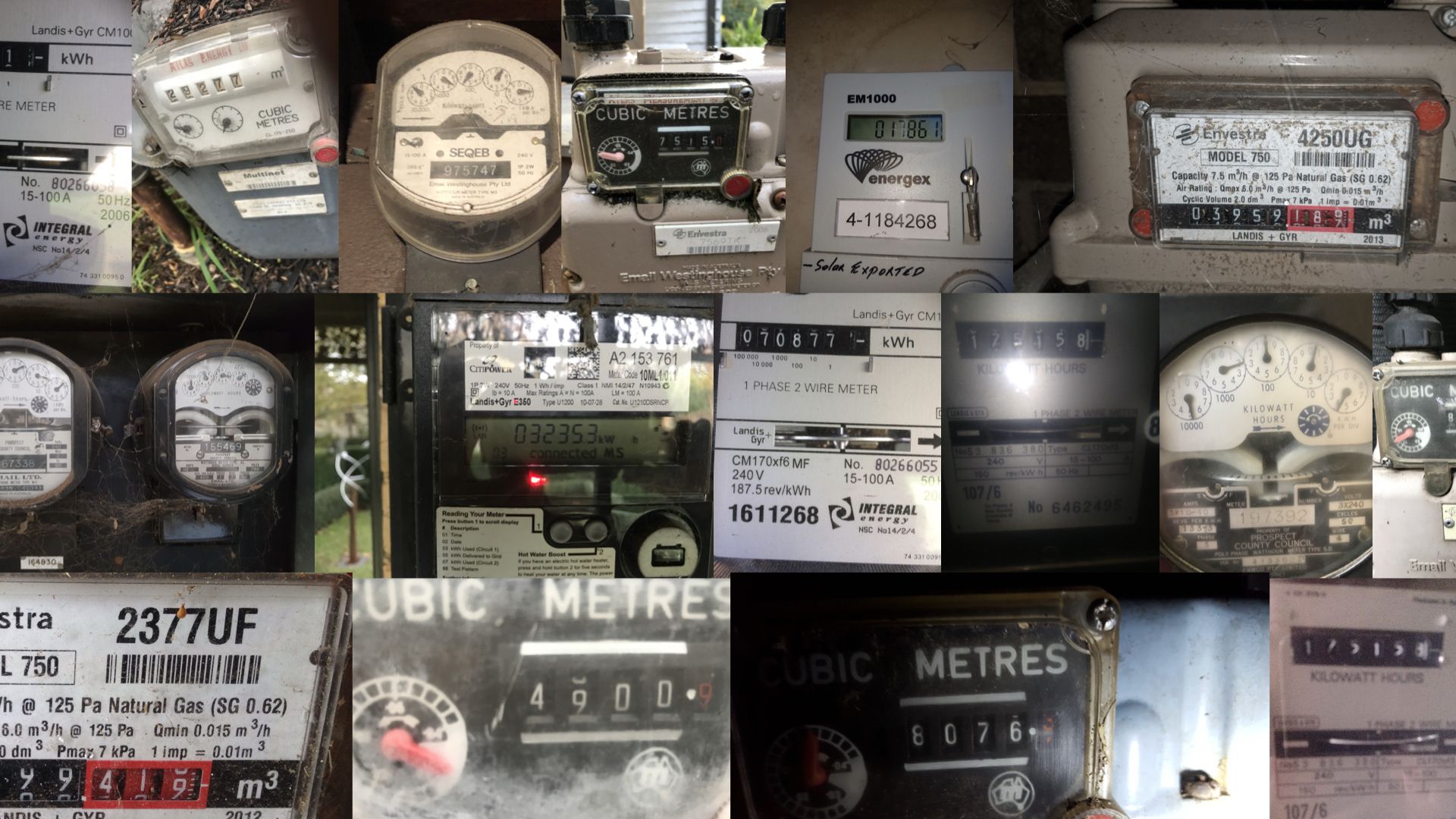
With this validated, we made refinements and ran successive experiments. We started by manually entering reads from photographs, then introduced Mechanical Turk for validation, before developing the full OCR solution. Through this process, we discovered something valuable: a significant proportion of customers preferred to enter reads manually themselves. This insight led us to add manual entry as an alternative feature.
Outcome
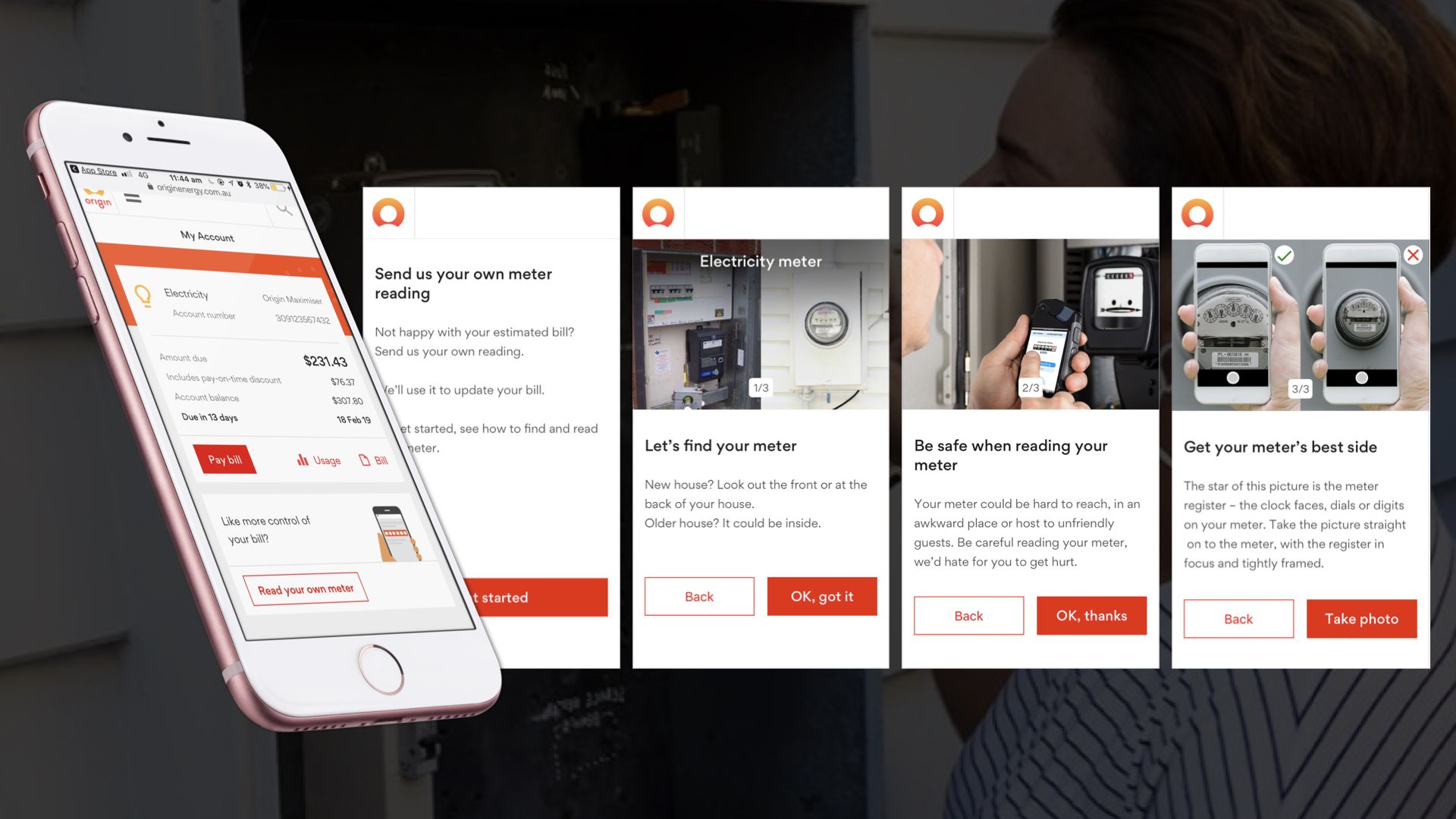
We launched the feature as part of the Origin app in 2019. It was immediately successful, enabling customers to provide their own reads and effectively replicate smart meter functionality despite having analogue technology.
The world-first OCR meter-reading workflow delivered a 4× increase in customer self-reads in its first year. This contributed to significant cost savings, reduced operational load, and improved customer satisfaction. The feature became integral to Origin's #1-rated energy app, supporting increased digital engagement from 14.2% to 31.6% as part of broader improvements to key customer journeys.
Reflection
This project demonstrated the power of starting small and iterating quickly. Rather than building a complete OCR solution upfront, we validated each assumption through progressive experiments – from simple photo capture to manual processing to automated recognition. The discovery that many customers preferred manual entry came from observing actual behaviour rather than assumptions, reminding me that users will often show you better solutions if you watch closely enough.
The success also reinforced something fundamental about digital transformation: the best solutions don't always require the most sophisticated technology. Giving customers agency – whether through OCR or simple manual entry – solved both the business problem and improved their experience.